Here's the trailer:
It's more or less a slice of life comic, with simple graphics. It requires swiping across or pressing a button to move on. And the 'game' parts are mostly things like 'brushing' your teeth, 'painting' a picture, 'shaking' a polaroid, clicking an alarm clock, sorting out items to 'clean' a room, etc. Things that are inconsequential, about the story and the feeling, rather than winning the game or anything. The way they mimic the realisic gestures is a really nice aspect of the interactivity.
There's some really nice subtle use of parallax in the more comic-like structured parts.
The interactivness creates a really nice experience, drawing you into the story even in very mundane, simple tasks.
This article Designing Emotional UX discusses how the UX creates an emotional response in the reader, and how that's important - and how the different ways Florence uses it in order to portray the scene from the main character's point of view, engaging the viewer and making the reader feel like they're part of the story
A section from the article:
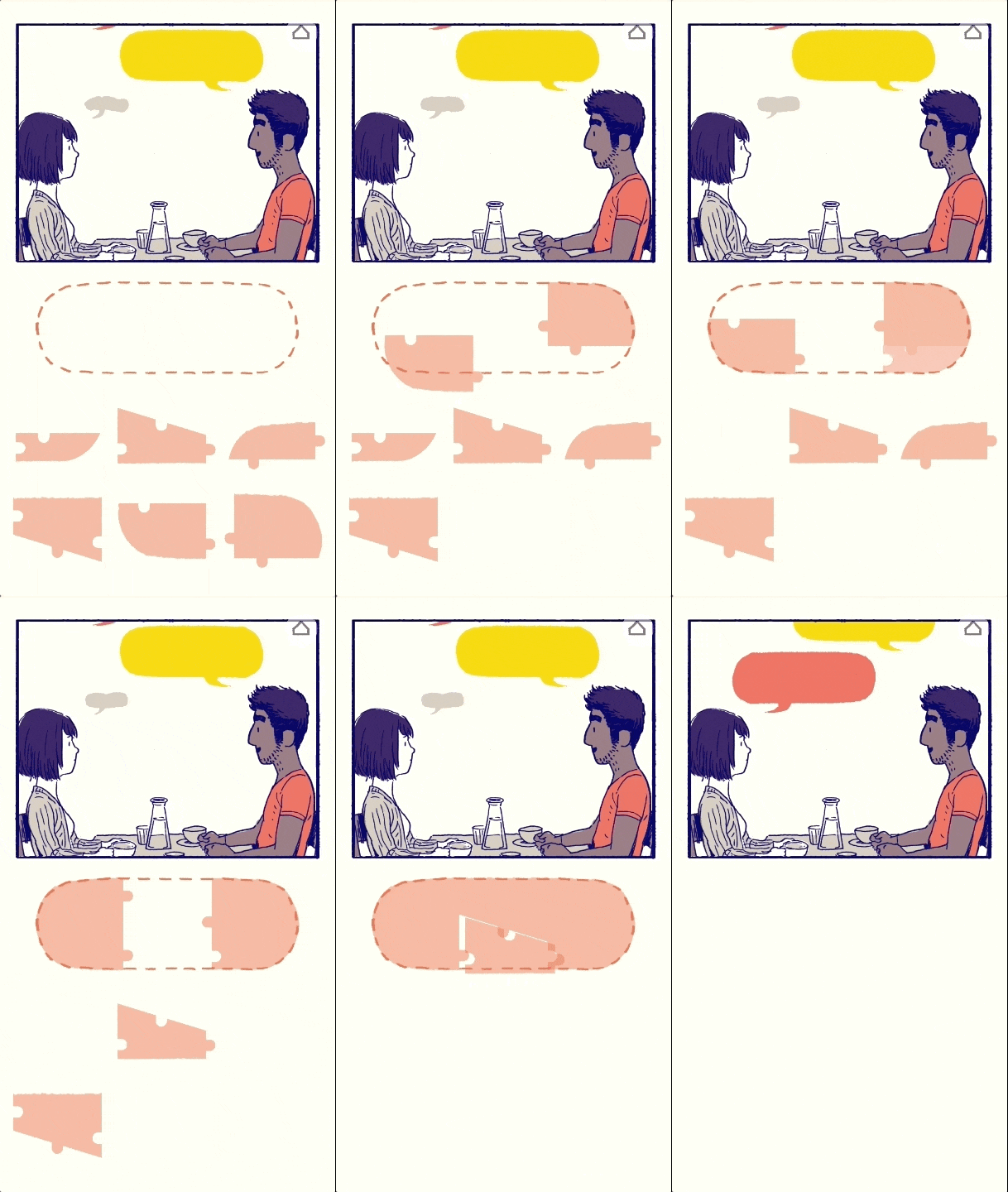
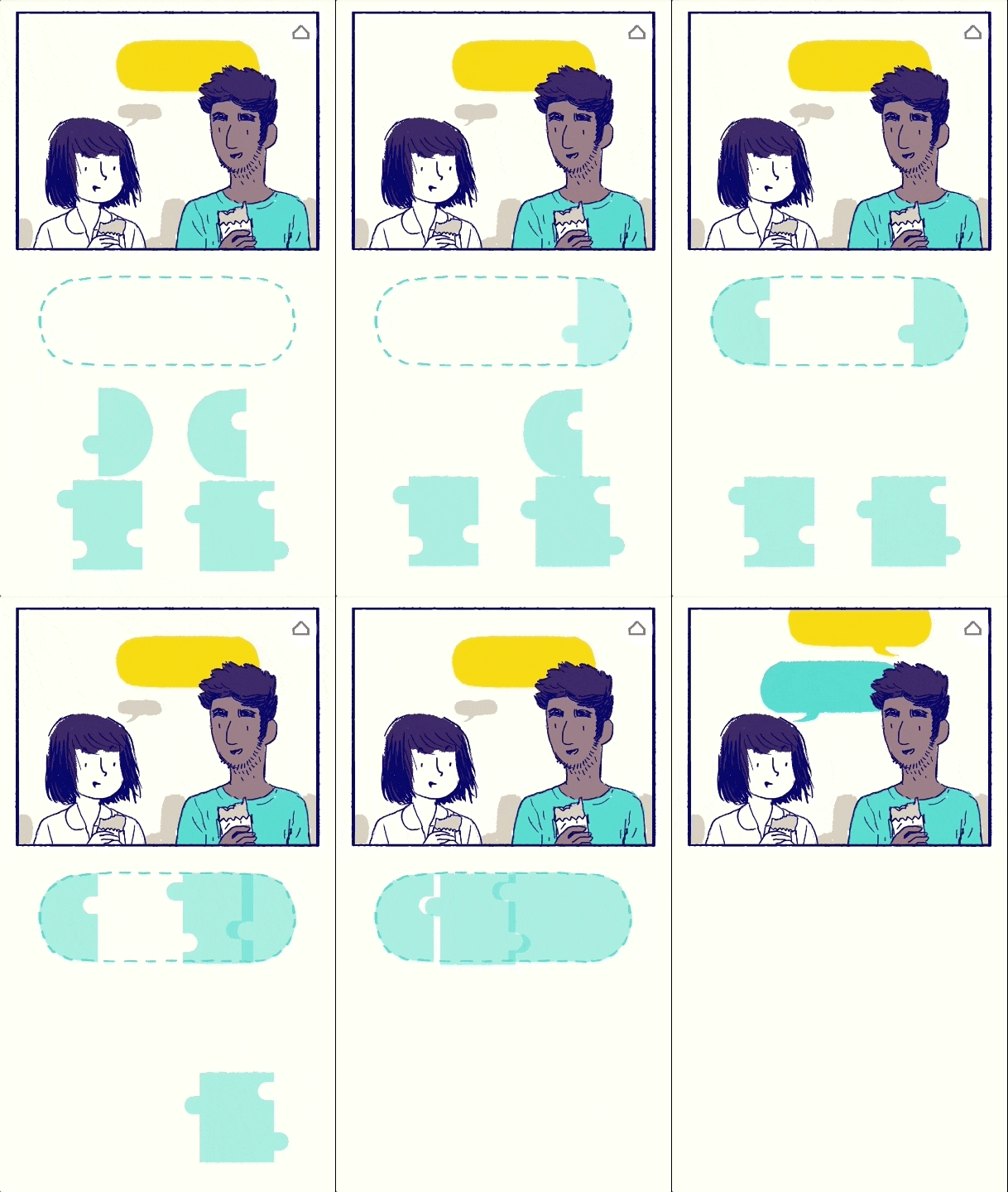
The date begins, and just like in real life, you’re trying to figure out what to say. It’s a puzzle: “Do I mention the cat? Is he ever a cat person? What if he hates cats? I’ve been quiet for a while. I should say something”.
As the conversation moves forward, it gets easier. Finding the right thing to say gets easier, quicker. You don’t have to think about it too much, because it just ‘makes sense’.
And finally, it eventually just clicks. It’s a perfect simile for this, and it’s such a beautiful way to portray this feeling in a user interface. It’s emotional, and human.
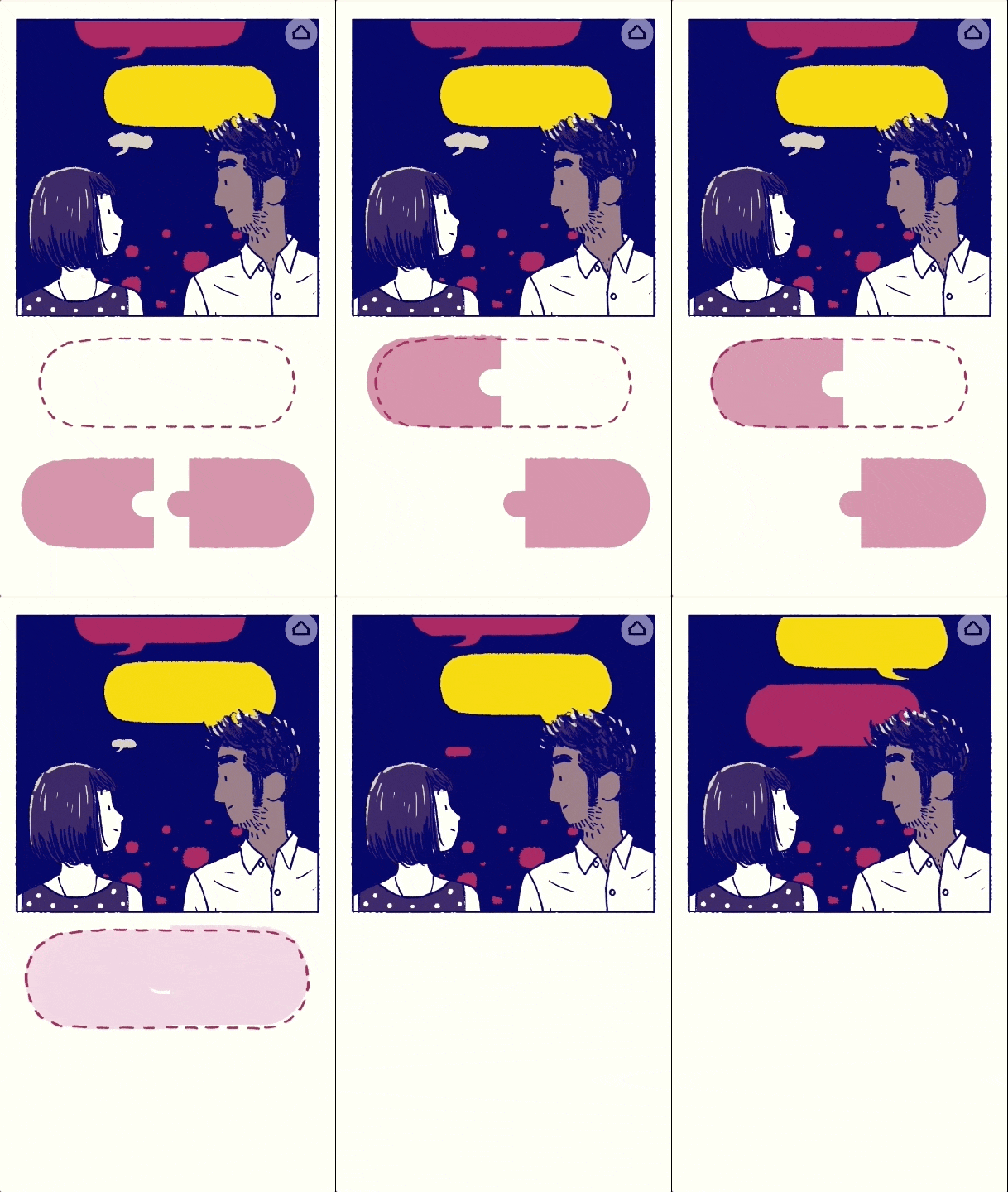
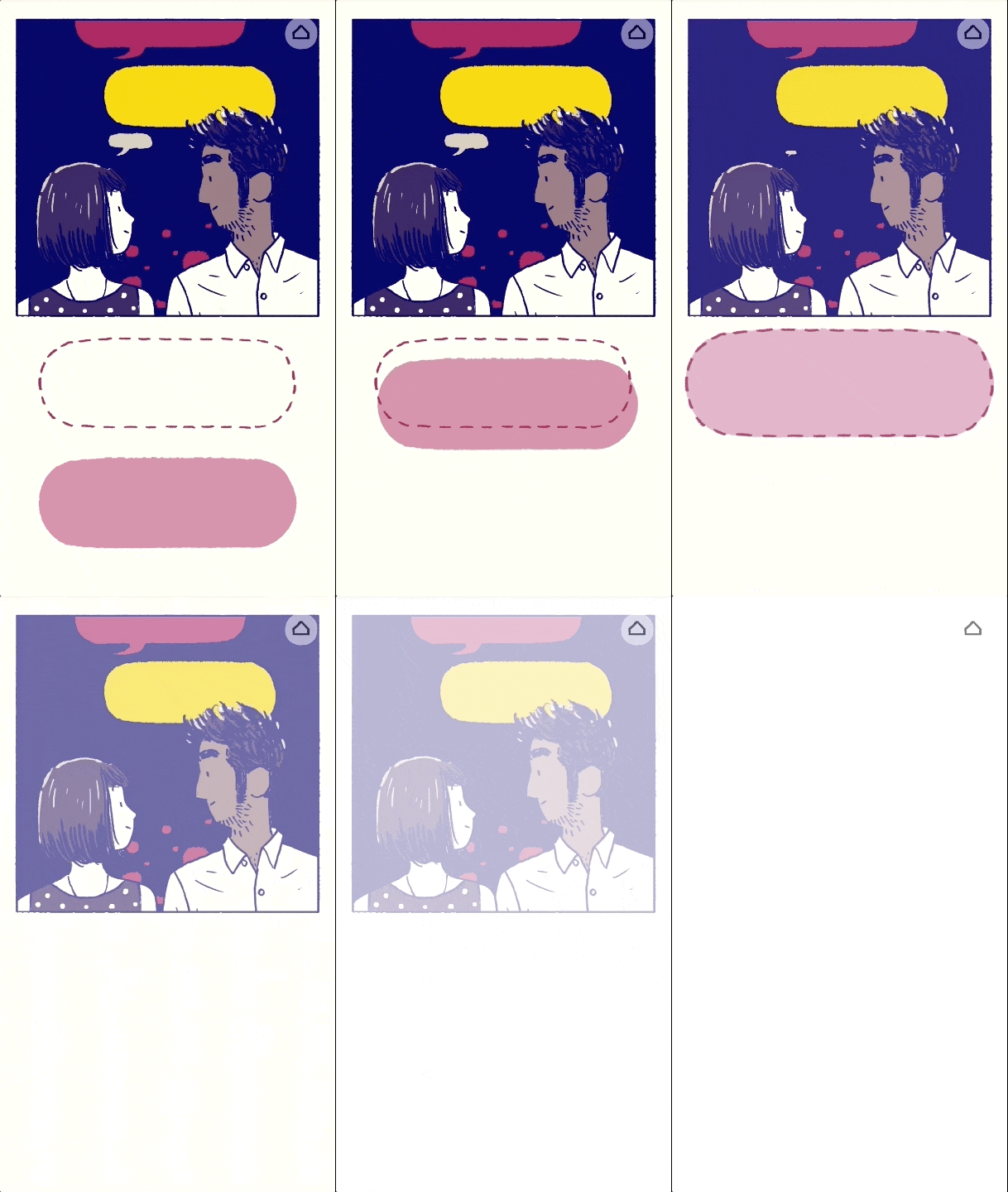
Later, when you have your first big fight, the mechanic is used again in a new, unique way:Just like your words, the puzzle pieces are sharper, more aggressive as the fight goes on. It feels like a race to say your piece, to get the last word in, to overwhelm your opponent.
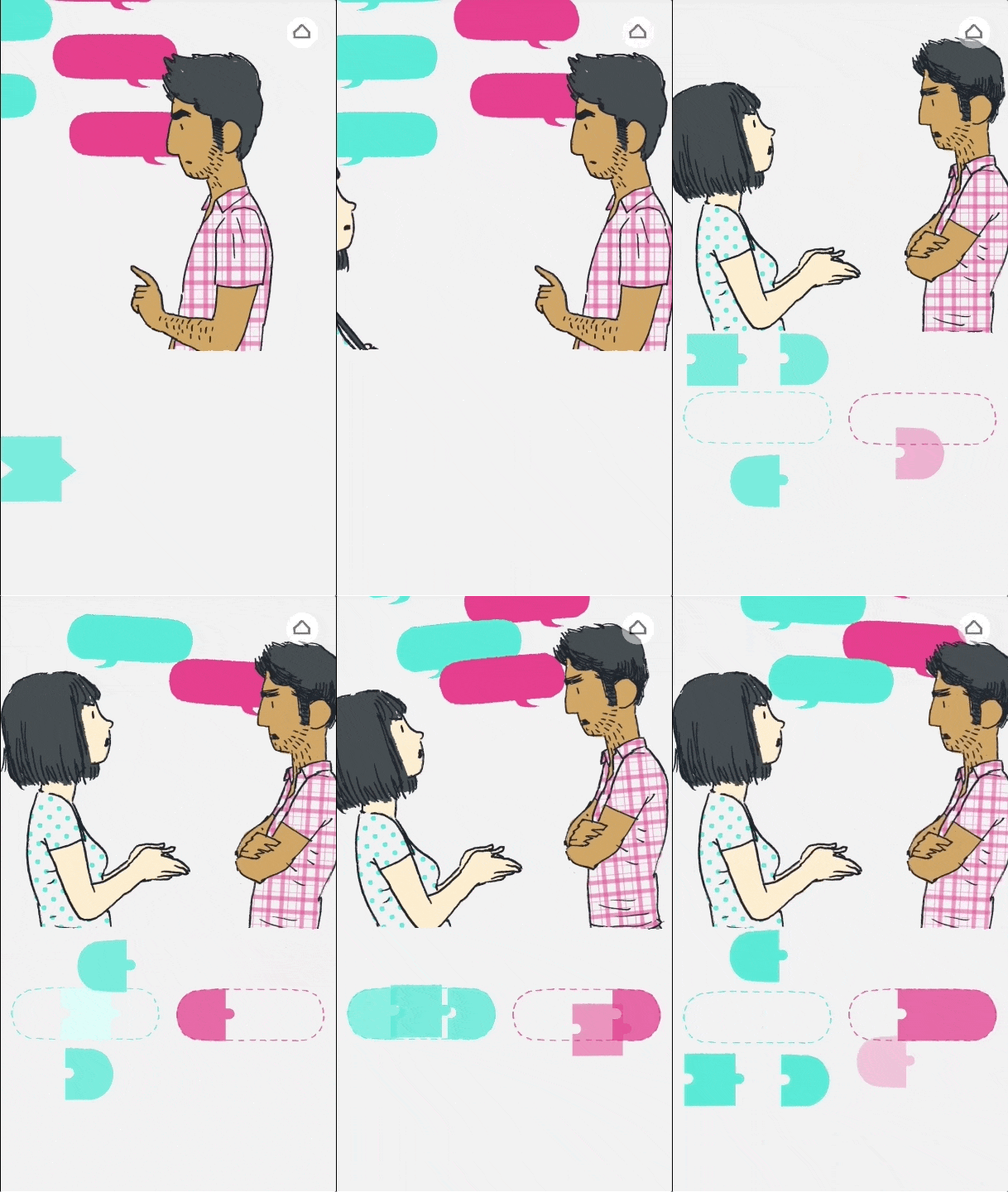
(note from me: this is really effective when you're playing it, especially the way the rocking starts subtly and gets stronger and stronger, and the way the screen starts moving back and forth between the characters and showing them moving apart
Genuine emotional connections are the lifeblood of any truly memorable experience. It’s certainly not always going to as dramatic as Florence, but there’s still so much we can learn from this.
Next time you’re designing a sign up form, make the user really feel a sense of achievement for having filled in all 21 fields. If they’re posting a photo, make their contribution feel valued.Good products make us feel something, and great UX should too.

No comments:
Post a Comment